
Intake.Method.Record.
Structured nutritional frameworks for men past thirty. Each protocol references published research, batch-verified ingredient data, and documented sourcing records.
Documented Nutritional Systems
Muscle Building Diet
Structured caloric surplus protocols with verified protein sourcing ratios. Each macro target references body-weight calibration methodology documented per batch.
Fat Loss Nutrition
Caloric deficit frameworks calibrated around metabolic rate estimation. Protein retention prioritised across each phase. Sourcing traceability maintained throughout.
Intermittent Fasting
Time-restricted feeding windows mapped against circadian rhythm research. Nutrient timing windows documented with precision across multiple eating window configurations.
Plant-Based Protein
Complete amino acid profile construction from verified plant protein sources. Bioavailability cross-referenced with published compositional research per ingredient lot.
Omega-3 Integration
Omega-3 sourcing protocols with chain-of-custody documentation. Marine and plant-derived options assessed against elemental concentration data per production lot.
Mental Health Nutrition
Nutritional inputs mapped to cognitive function and stress relief food categories. Each composition cross-referenced against published nutritional research archives.
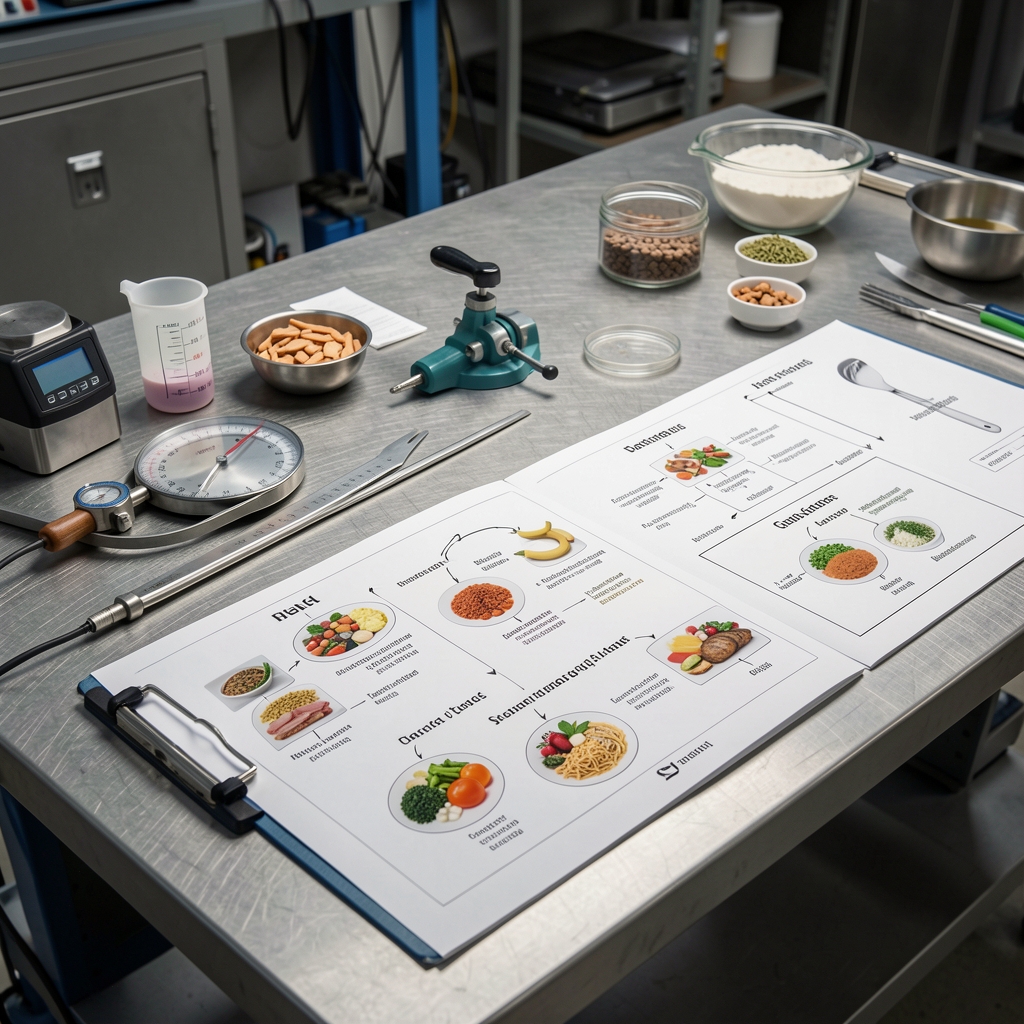
Nutrition Precision for Men at Every Decade
The Braken framework assembles peer-referenced nutritional research into actionable daily intake structures. Each protocol accounts for metabolic shifts that occur past the age of thirty — slower recovery rates, altered macronutrient processing, and changed micronutrient absorption patterns.
Ingredient profiles are selected based on published nutritional research and undergo independent batch verification for quality and labelling accuracy. Every sourcing decision is recorded in a chain-of-custody document accessible per batch code.
About Braken →Key Micronutrients for Men
Supports normal function of the immune system. Verified per independent laboratory batch record.
Supports normal cognitive function and immune health. Elemental profile sourced with chain-of-custody documentation.
Contributes to normal energy metabolism and reduces tiredness. Batch-coded per lot record with traceability reference.
Contributes to normal energy production. Ingredient concentration verified through independent laboratory analysis.
Contributes to protection of cells from oxidative stress. Supplier documentation maintained per food-grade processing standards.
Involved in cellular energy production. Sourced from documented suppliers with certificate of composition per batch.
Marine and plant-derived sources assessed for elemental profile per production lot. Full traceability maintained throughout.
Supports the normal function of the immune system. Ingredient ratio verified through third-party independent analysis per batch.
Frequently Referenced Questions
Published nutritional research positions daily protein intake for active men over thirty at 1.6 to 2.2 grams per kilogram of body weight. Exact targets vary by training volume, body composition goal, and sourcing composition of the protein inputs used.
Carbohydrates serve as the primary substrate for muscular work. Adequate carbohydrate availability during resistance training sessions is associated with sustained output and post-session glycogen resynthesis. The timing and composition of carbohydrate intake are variables tracked within the Braken meal plan framework.
A plant-based eating framework can meet complete amino acid profile requirements when constructed with deliberate attention to protein source combination and micronutrient supplementation. The Braken plant-based protocol documents specific sourcing combinations and daily intake compositions for active men.
A balanced dietary intake for a man in the 30-50 age bracket typically covers adequate protein from verified sources, complex carbohydrates with documented glycaemic index, healthy fats with chain-of-custody traceability, and a micronutrient profile covering Vitamin D3, Zinc, Magnesium, and Selenium at research-referenced daily intake levels.
Time-restricted eating compresses the nutrient intake window, which requires deliberate density planning to maintain adequate protein, micronutrient, and energy intake. The Braken intermittent fasting framework documents specific eating windows and nutrient concentration strategies per body composition target.
Structured Nutrition Systems for Methodical Men
Each Braken protocol is assembled from verified compositional data and published research. Consult our framework catalog to identify the intake structure aligned with your current body composition objective.
Get in Contact