Process Architecture
Every Braken nutritional protocol passes through a six-stage validation process before publication. This page documents each stage — from initial research selection through independent batch verification and final lot-record archiving.
The Six-Stage Validation Process
Published Literature Review
Protocol development begins with a systematic review of published nutritional research relevant to the target demographic — adult men aged 30 to 60. Sources are filtered by peer-review status, methodology transparency, and recency. Only research with documented participant data and verifiable methodology is incorporated into a Braken protocol specification. General reference texts and industry-produced summaries are excluded at this stage.
Ingredient Profile Construction
Based on the literature review output, a compositional specification document is assembled. This covers the macro and micronutrient targets, the rationale for each ingredient selection, and the acceptable ingredient concentration range per daily serving. The specification document undergoes internal review before advancing to the sourcing stage. Each specification is version-controlled with a revision reference code.
Chain-of-Custody Sourcing
Active ingredients are sourced from documented suppliers, with each batch accompanied by a certificate of composition. Sourcing prioritises suppliers whose facilities maintain food-grade processing standards. Supplier documentation is reviewed for geographic origin, facility audit history, and lot-level traceability capability before any purchase request is raised. A supplier assessment record is filed per ingredient category and updated on a rolling 12-month cycle.
Third-Party Batch Verification
Each production batch is submitted for independent laboratory analysis before inclusion in a published protocol. The independent analysis covers elemental concentration per serving, ingredient identity confirmation, and compositional accuracy relative to the specification document. Third-party verification is conducted by a laboratory with documented accreditation for nutritional analysis. Results are archived per batch code and retained as a permanent lot record.
Compositional Record Finalisation
Following successful batch verification, the protocol documentation is finalised. This includes the complete compositional rationale, the sourcing record, the third-party analysis summary, and the daily serving specification. Each published protocol carries a batch reference code and a revision date. Documentation is version-controlled and stored in the Braken archive with a permanent entry reference.
Ongoing Revision & Archive Update
Published protocols are reviewed on an 18-month cycle or whenever new peer-published research materially changes the evidence base for a specific compositional target. Revised protocols receive a new revision code and are re-submitted for batch verification before re-publication. Superseded versions remain in the archive with a deprecation date noted. The review cycle ensures that ingredient profiles in Braken protocols remain aligned with current published nutritional research at all times.
Sourcing & Verification Standards
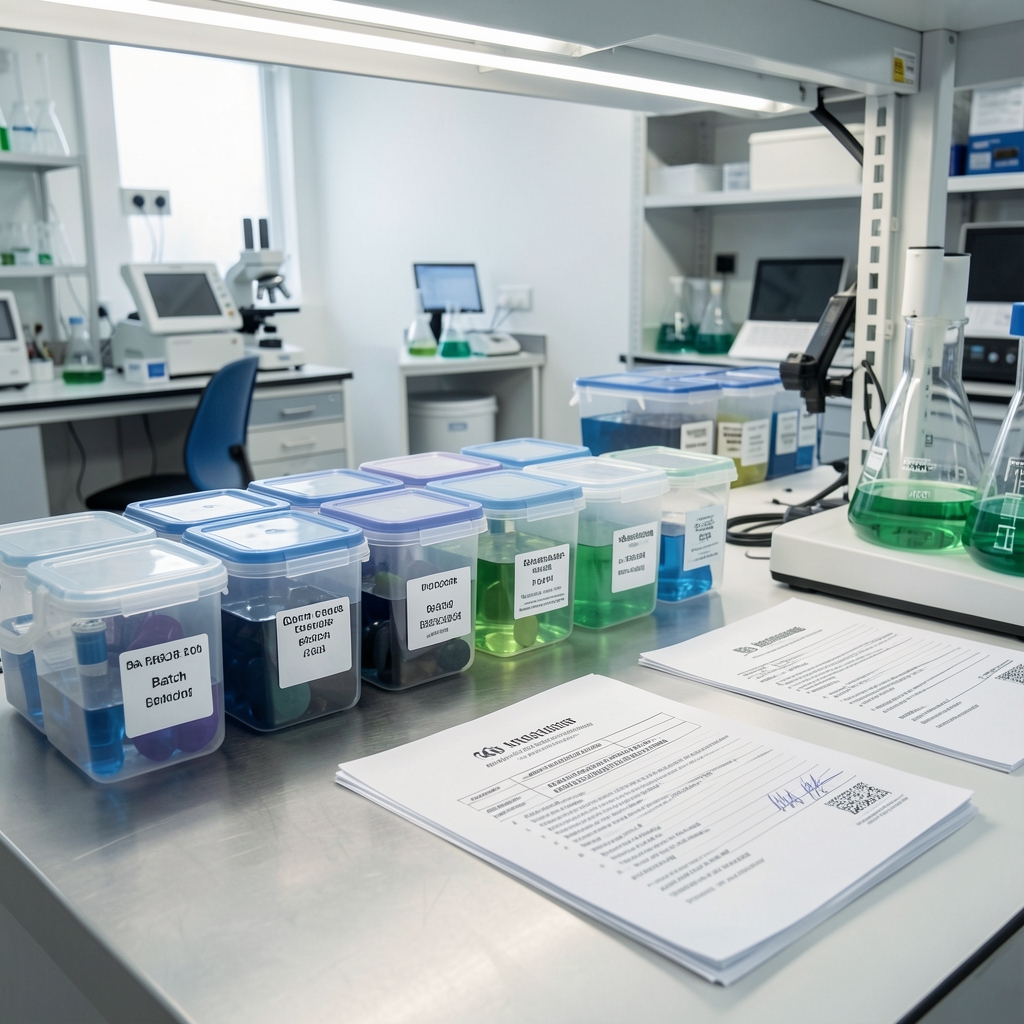
Laboratory Analysis Standards
Independent laboratory analysis at Braken follows a defined set of procedures. Elemental concentration is measured via ICP-OES methodology where applicable, and results are cross-referenced against the compositional specification document. Any batch where measured concentration falls outside the specified acceptable range is rejected and resubmitted after supplier investigation. The analysis standard is applied uniformly across all ingredient categories in the catalog.
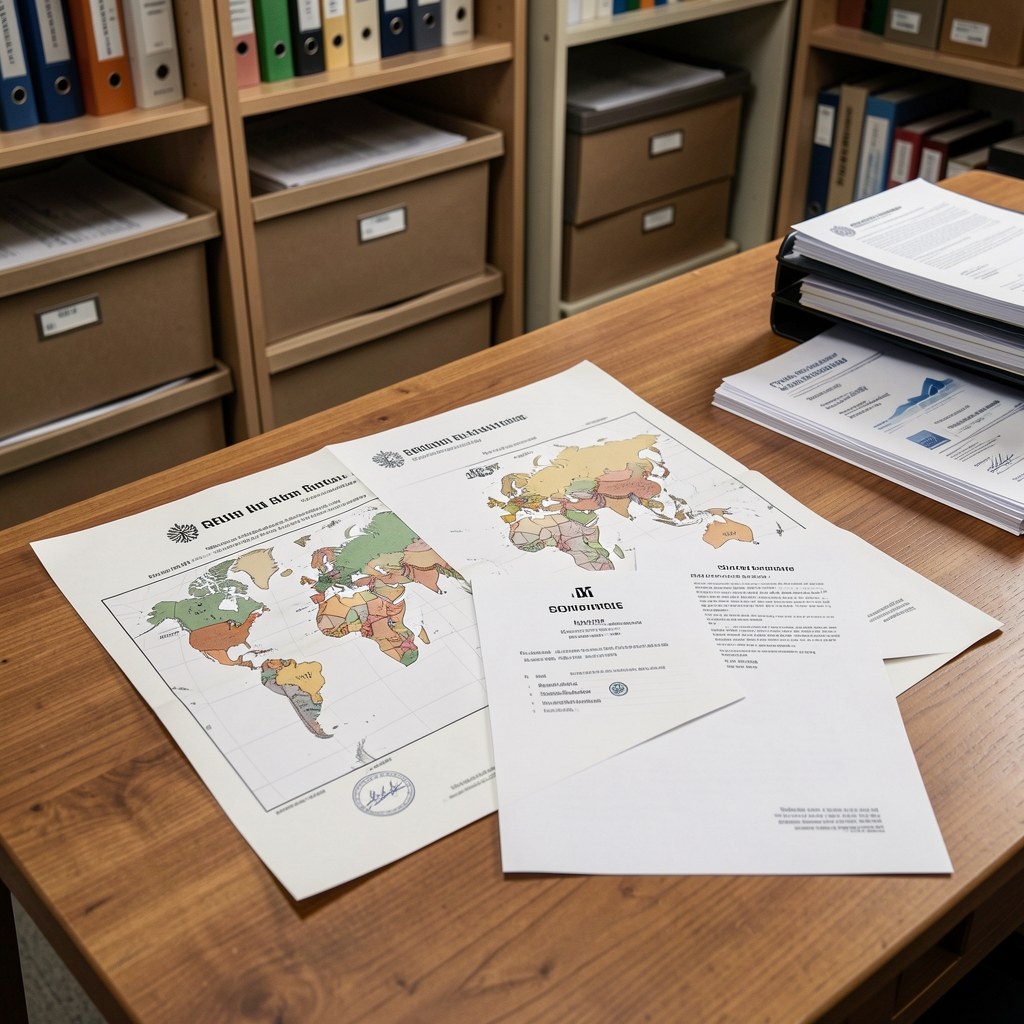
Supplier Qualification Criteria
Suppliers are assessed against a qualification framework before any ingredient is incorporated into the Braken catalog. Qualification criteria include: documentary evidence of food-grade processing facility standards, provision of batch-level certificates of composition, documented lot-traceability capability, and an audit history available for review. Suppliers who cannot provide lot-level documentation are excluded from the approved supplier list regardless of cost or availability.
Current Archive Status
Braken products are nutritional food-supplements registered with the applicable local regulatory authority under food-supplement classification. Products meet compositional and labelling requirements for nutritional supplement categories. Ingredient profiles are selected based on published nutritional research and undergo independent batch verification for quality and labelling accuracy.
Origin Map — Regional Sourcing Priorities
The Braken sourcing framework prioritises ingredients with documented geographic origin data. Regional sourcing allows for a more complete chain-of-custody record and enables comparison of elemental profiles across named-region materials.
Omega-3 marine sources are assessed against documented origin coordinates and vessel lot records. Plant-derived ingredients are sourced with farm-level traceability where available, with supplier locale documented in the ingredient record.
This level of sourcing specificity is not common in the general nutritional supplement space. It reflects the Braken commitment to documentation precision as a core operational value rather than a marketing feature.

Process Reference Questions
Independent batch verification at Braken involves submission of each production lot to an external laboratory for elemental concentration analysis. The laboratory produces a certificate confirming measured ingredient concentration per serving, which is then compared against the compositional specification document. Batches passing the verification range are archived; batches outside the range are rejected and investigated.
Protein sources in Braken protocols are assessed for amino acid profile completeness against published compositional data for the specific source material. For plant-based protein men frameworks, multiple sources are combined to achieve a complete essential amino acid profile. Each source combination is documented with referenced bioavailability data from peer-published nutritional research.
Standard revision cycle is 18 months. Protocols may be revised earlier if new peer-published research produces a material change in the evidence base supporting a specific composition target. All revisions are version-controlled with a dated revision code, and prior versions are retained in the archive with a deprecation note rather than deleted.
The Braken methodology prioritises Vitamin D3 (supports normal immune function), Zinc (supports normal cognitive function and immune health), Magnesium (contributes to normal energy metabolism and reduces tiredness), Selenium (contributes to protection of cells from oxidative stress), Vitamin B12 (contributes to normal energy production), and Omega-3 fatty acids for their documented roles in normal physiological function in adult men.